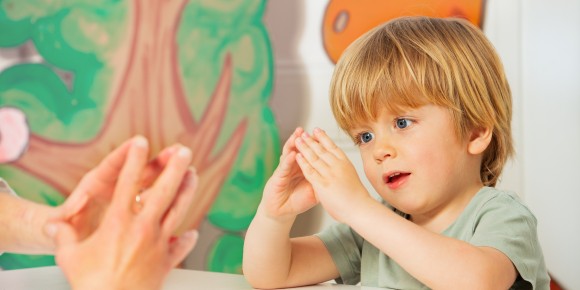
ABA therapy can be life-changing for children with autism — but families often wonder how to make sure it’s a positive, supportive experience. The good news? With the right approach, ABA can empower both the child and the family to thrive.
Choose the Right ABA Provider
Not all ABA programs are the same. Look for providers who:
- Personalize therapy to your child’s unique needs
- Use positive reinforcement rather than punishment
- Encourage family involvement every step of the way
In New jersey, families often turn to trusted providers like Happy Habits Aba, where care is compassionate and child-centered.
Be Involved in the Process
Families play a key role in making ABA therapy effective. Join sessions when possible, ask questions, and practice strategies at home. The more engaged you are, the smoother progress will be for your child.
Focus on Goals That Matter
ABA works best when therapy goals align with your child’s real-life needs. Instead of focusing only on tasks, talk with your therapy team about goals like:
- Improving communication
- Building independence
- Reducing stress in social settings
- Strengthening daily living skills
Celebrate Small Wins
Progress in ABA therapy doesn’t happen overnight. Every new skill — no matter how small — is a step forward. Celebrating these wins helps keep your child motivated and makes therapy feel positive.
Build Consistency Across Environments
To make ABA therapy most effective, consistency matters. Support your child by using ABA strategies at home, school, and even in the community. This helps skills stick long-term.
At Happy Habits Aba we ensure ABA is always a positive experience through compassionate, individualized care. Our services include:
- In-home ABA therapy
- ABA therapy in school
- ABA parent training
- In-camp ABA
We work closely with families to make sure therapy is supportive, encouraging, and truly life-changing.
FAQs
-
1. How can parents make ABA therapy more effective?
-
2. Can ABA therapy be fun for kids?
-
3. What makes ABA therapy positive for families?
Sources:
- https://pmc.ncbi.nlm.nih.gov/articles/PMC11487924/
- https://pmc.ncbi.nlm.nih.gov/articles/PMC1284349/
- https://pmc.ncbi.nlm.nih.gov/articles/PMC11017782/
- https://www.sciencedirect.com/science/article/abs/pii/S1077722911000745
- https://www.autismspeaks.org/applied-behavior-analysis